Artist-in-Residence
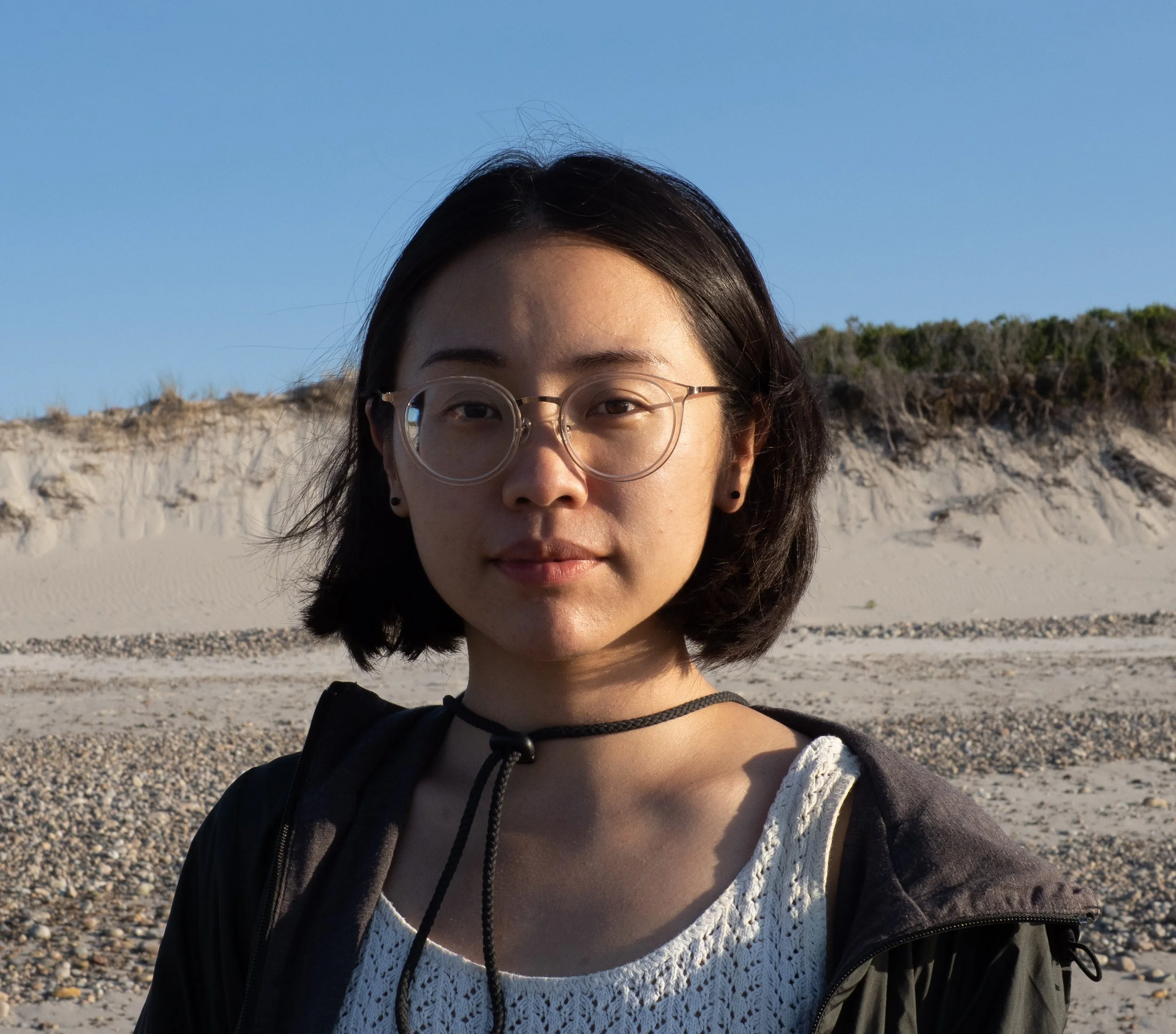
Shan Wu
June-October 2027
“I'm most looking forward to re-rooting myself in Los Angeles and becoming part of an artistic community again. I’m excited not only to make new work, but to meet other artists, exchange ideas, and see how those conversations might influence what I make.I also want to push this investigation of fragmentation further: more comprehensive, larger in scale. I've been carrying these ideas for a long time. Now I finally have the space and time to experiment with them.
-Shan Wu, Blue Roof Residency 2027 AiR
Artist Statement:
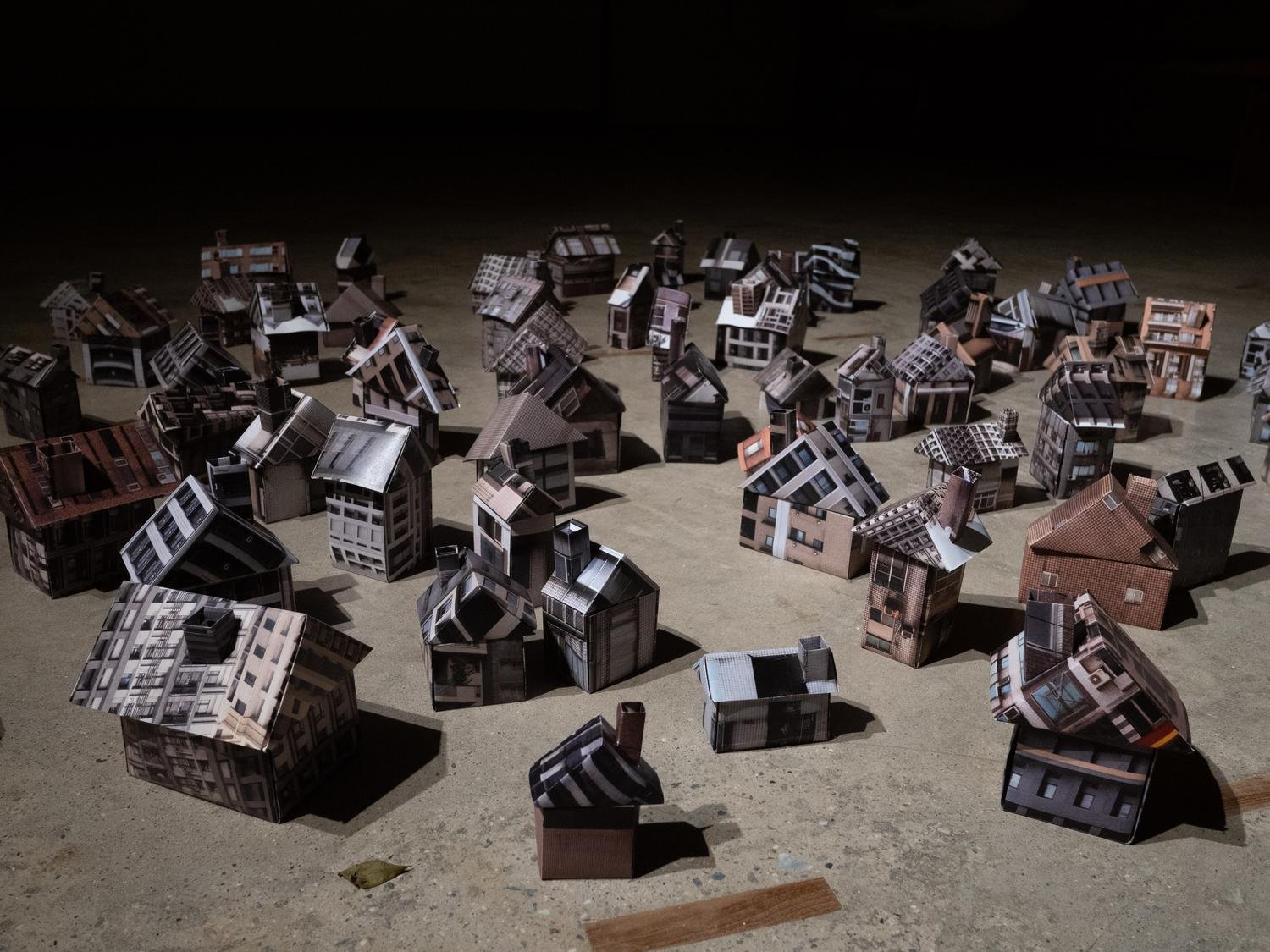
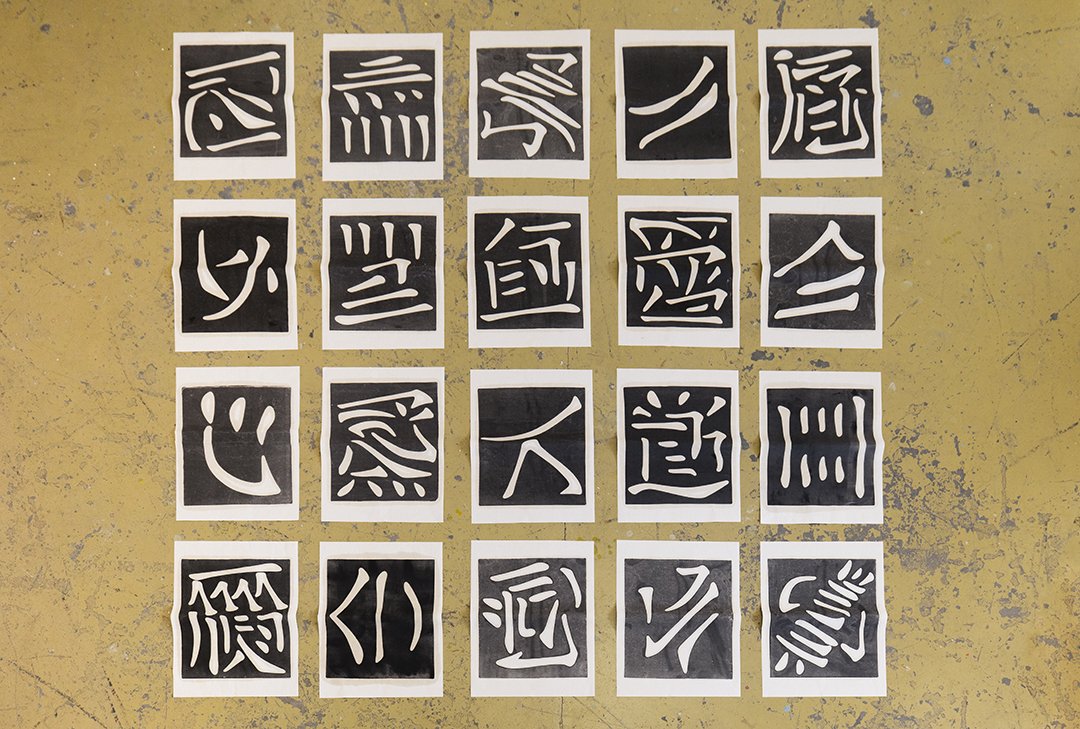
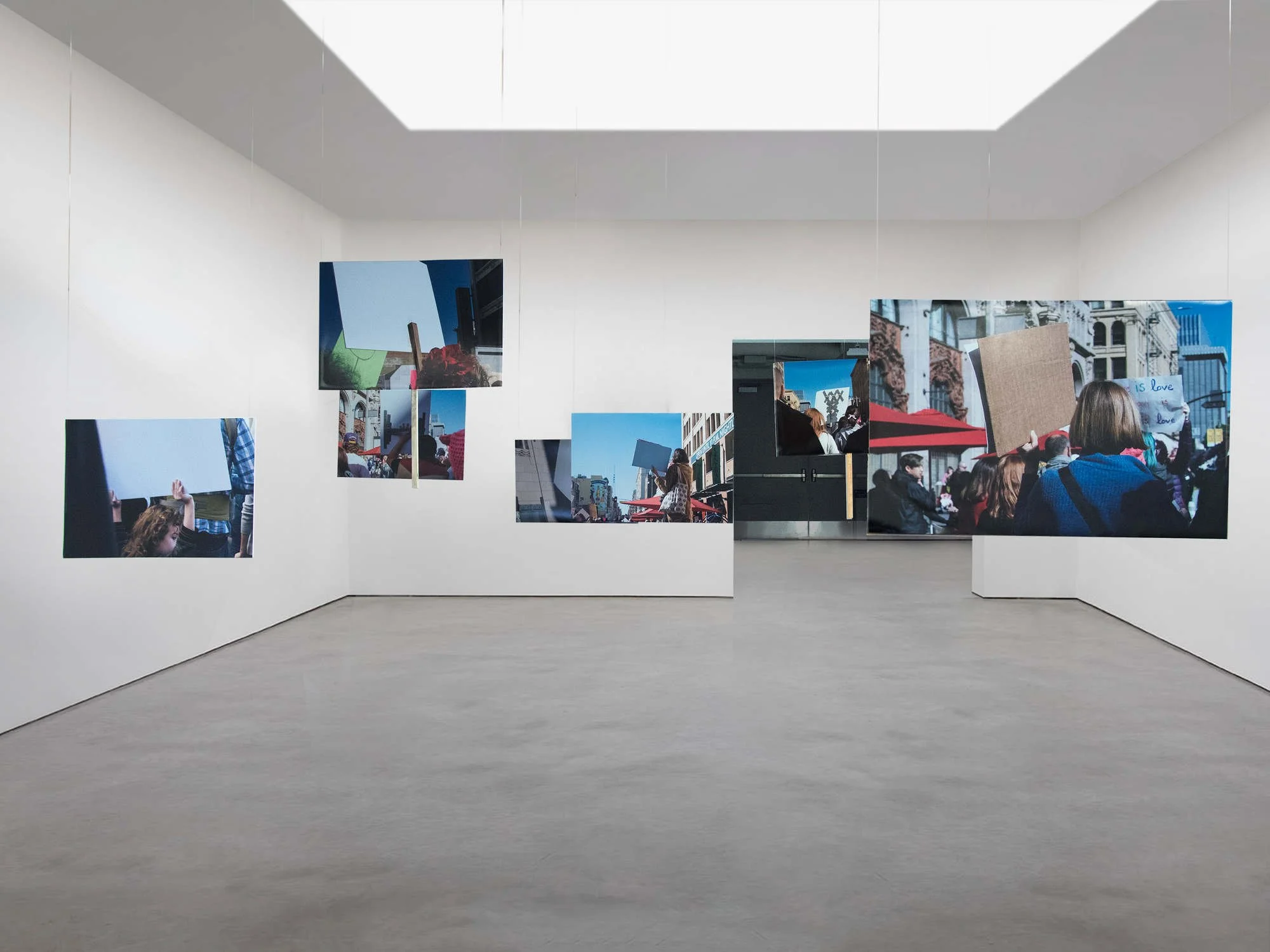
My practice investigates photography as a site of rupture and reconstruction. Working primarily with photography and moving image, I dissect images into fragments and reassemble them into new configurations that hold contradictions: stillness and motion, document and invention, the original moment and its afterlife.
I am interested in fragmentation not only as a visual and material process, but as a condition of how we experience the world. In contemporary life, information, attention, time, and space are increasingly encountered in fragments. Images are cropped, circulated, duplicated, and disconnected from their original contexts; our attention moves rapidly between pieces of information, while our experience of time and place becomes increasingly discontinuous. My process of cutting and reassembling photographs reflects this fragmented way of seeing, while searching for new relationships and forms of continuity within the fragments.
Growing up in Taiwan and spending much of my adult life in the United States, I have come to understand identity as something shaped between places, languages, and shifting contexts. That experience informs my interest in fragmentation as a generative process. A scorched forest is cut apart and rejoined; nine photographs of a wave become one impossible swell; a single image of a geothermal eruption is divided into 1,560 fragments and reborn as film. The seams between fragments become spaces where meaning accumulates, inviting viewers to reconstruct what is missing and reconsider what photographs remember, transform, and imagine.